
On Building Peace (Carterton Peace Festival, March 21, 2026)
Kia ora koutou.
I want to share some of what friends and colleagues have taught me about building peace. Palestine has had no chance to do that, so I won’t be speaking about Gaza.
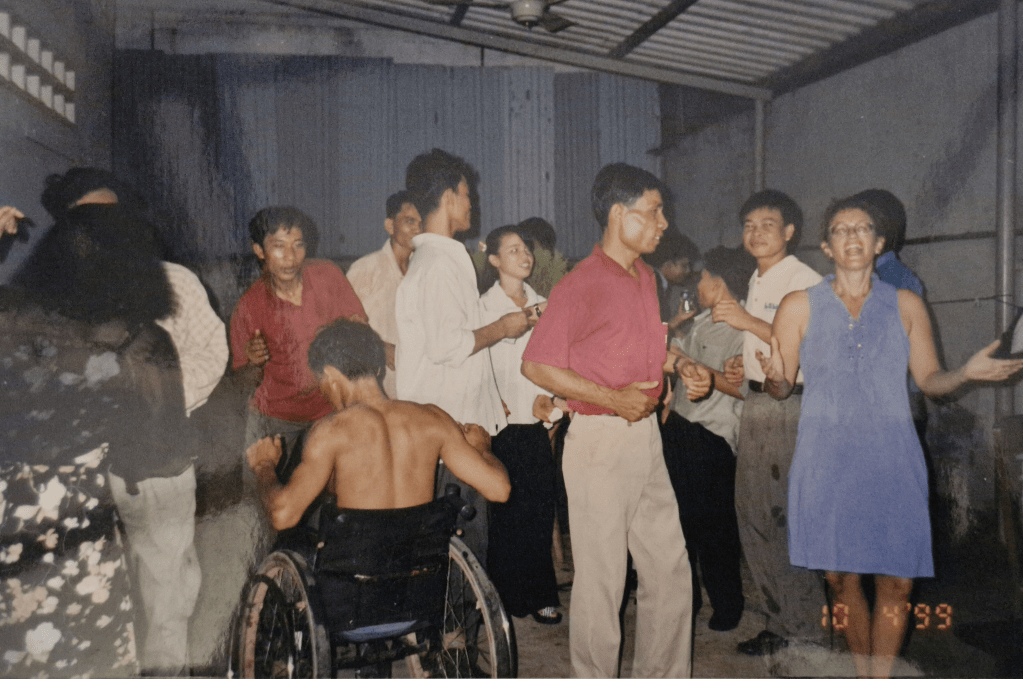
In Cambodia, the Khmer Rouge killed perhaps 20% of their own people in four years. Then they took off their uniforms and went home. They became everyone’s neighbours and co-workers. There was no accountability, no process of truth and reconciliation.
For three years, I directed an organisation whose 80 staff were the former child soldiers and survivors of all sides, in one building. It was volatile, because you do not make peace with people you trust. You didn’t make war against trusted people. You made war against the people who killed your family; the people who ate while your family starved.
Govts and generals can cease firing, but then your and your enemies must build some kind of peace, despite your constant sense of threat. To a war-conditioned body, every threat is a mortal threat.
In response, my colleagues went to great lengths to avoid cornering each other, verbally or physically. The sign of serious trouble was not ‘I’ll kill you’. It was ‘I’ll kill you first!’ That meant that someone felt threatened.
When we heard that, I learned to back away, to clear the angry men’s path out of the building. Then we placed them on either side of the courtyard with the two-storey building between them, to remove the sense of threat. I asked the guys how they devised this method. They said they used to do the same thing in the jungle. Before they fought, units of both armies tried to back away.
These former child soldiers had had their lives stolen, but I used to ask myself whether that mattered to the families of the people they killed. In fact, they all needed so much space for their grief – but peace did not give them space. It threw them intimately together with others who were as troubled as they were.
Under stress, the young men inflicted terrible violence on their wives and children. One man explained earnestly to me that he knew no other way to make a baby stop crying. We set up a refuge for the wives in the big staff kitchen, and we put the cook in charge. We made an iron-clad rule that men were not allowed near that kitchen. With relief, the men complied. We had shown them how to back away.
These young men, my friends, would never know tranquility or justice or counselling – too bad. Peace means breaking the cycle. They tried so hard, with variable results.
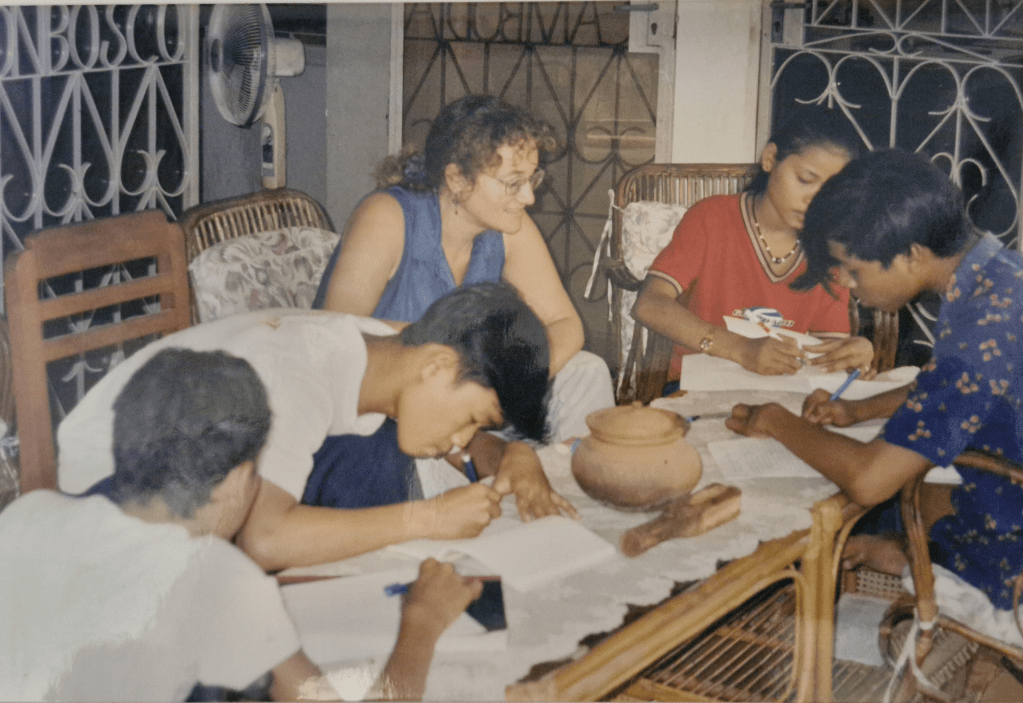
Peace, I came to believe, is particularly made by parents. Over and over, I saw parents teach their children ethics, rather than the strategies that had saved their own lives.
The first serious study of Cambodia’s survivor generation found that 80% of them would be considered mentally ill anywhere else. And yet, Cambodia never resumed fighting. Peace got built by people who preferred all of their pain to more war.
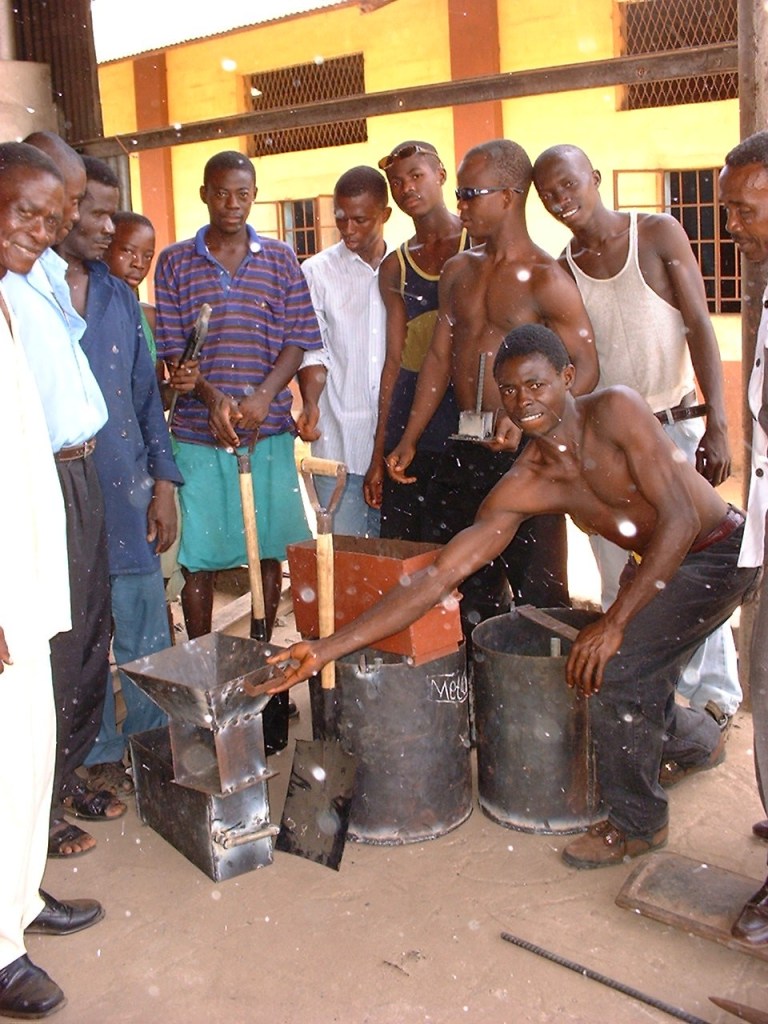
I was in Sierra Leone in 2002, as a decade of vicious civil war was shakily concluding. That war was fought partly by marauding armed bands who raped, who lined up civilians and cut off their hands and feet with machetes. I went to a camp for the amputees. It was emptying out very quickly. The director explained that most of the remaining people were emotionally stuck. They were unable to move on.
As we spoke, I watched a mother carry her baby across my field of vision. Some unpunished soldier had cut off all four of their hands. The camp director nodded. His point was proven: she was bitter, unable to move on.
Peace depended on that unimaginable act of moving on. It had nothing to do with justice. It was just better than war. It was up to Sierra Leonians to make peace mean more than that.
Sierra Leone has never resumed war. The country moved on, with or despite those who were not ready.
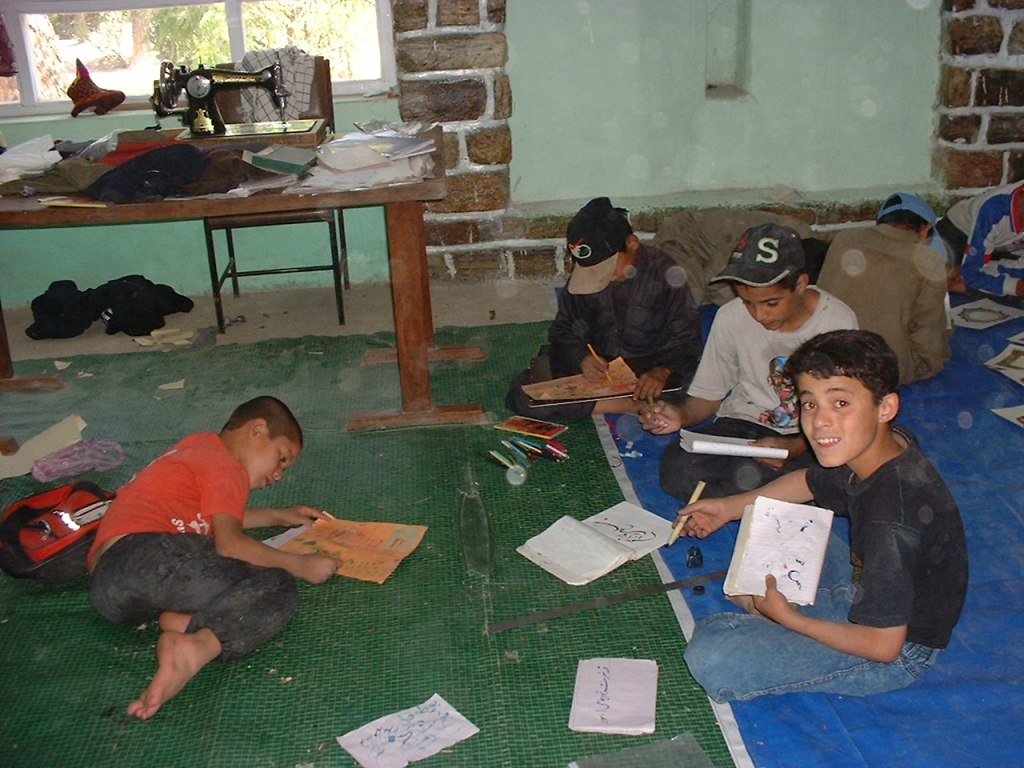
Also in 2002, I first went to Afghanistan, shortly after the Taliban fell. People had survived one round of war after another. Despite a lifetime of war, Afghanistan’s national council, the Loya Jirga, chose a forward-looking path of unity, rather than revenge.
Hope, I swear is the discipline of refusing to live only through the trauma and the grudge. For five years in Afghanistan, I watched people repeatedly make long-odds choices in favour of peace. Their vision has never been empowered, and a peaceful future is evermore remote for Afghanistan. While a million children were at risk of starvation in Gaza, another million Afghan children were at the same risk, far from the headlines. Pakistan has now initiated a new war by bombing Afghanistan’s cities.
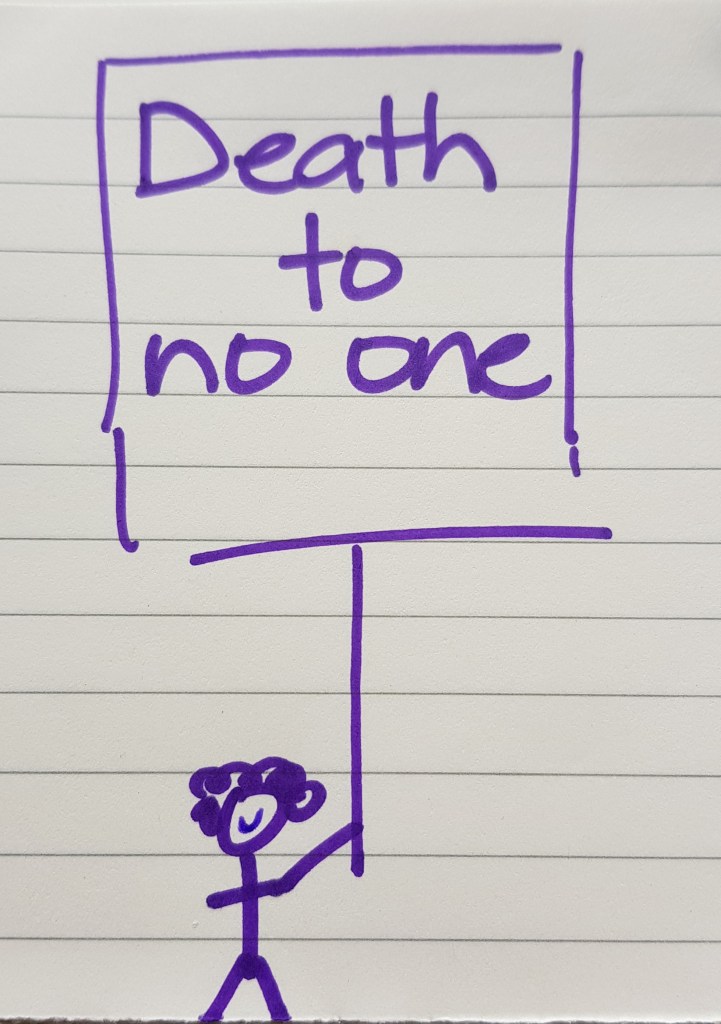
My friends taught me that peace is not declared. Peace is made by people who take a blind leap beyond war. It requires bold, high-risk, future-loving, hourly work. Even with that, peace brings no guarantees.
Now we are all observers of war. For me, being at the scene has meant holding a deep emotional turbulence while trying to support the possibility, or enlarge the space of peace.
I learned not to falsely identify my observer’s pain with the pain of participants. My unresolved anger is not their problem, and no, I don’t know how they felt.
Much as I value peace, I learned not to de-politicise it because peace is never neutral, and Gd knows it is never ideal. I learned to step back, because the compromises of peace are not mine to make. We all speak and dream about a just peace, but we will not dictate the terms of any settlement. They do not have to satisfy our ideals, which we formulate in safety.
That does not render me passive; far from it. We observers must bring our own healthy anchors to the process.
After the 2014 war in Gaza, I felt a rage as heavy as the 5000 tons of bombs Israel had just dropped on our heads. So I studied military accountability. I learned how to direct a principled anger. In Gaza I learned to see through a framework of rights – to place our equal dignity and value at the centre of my understanding of war. That is where my rage finds its aroha.
Hardest was my utter inability to protect anyone. Still cuts me to the core. But I tried to hold my helplessness with some grace, because that is the burden of being the friend.
I think many of us live with a bit of that now. We must refuse to be stunted by our observers’ trauma. We must learn to live with the things we have seen, the moral abdication of our government, and the stories we’ve been told by survivors. We must cultivate that peace-building discipline of hope in the possibility of change. And within the limits of allies, we must do the tireless work of bringing change about.
How is this relevant, you wonder, in a moment of imperialist warmongering? I suggest that we have peace to build here, among ourselves, in our families and towns and our body politic. We do not benefit Iranians or Palestinians by letting Aotearoa become one more zone of conflict.
For me, peace in Aotearoa will be the condition that lets us work together for this planet and all the dimensions of justice upon it. Remember that disinformation is trying to make that impossible. If someone leads you to say, “I’ll never forgive people who don’t join the protest”, then you have just promised never to do the hard mahi of peace.
I also cultivate curiosity, because this world is also beautiful. I have a project: I want to be remembered as the lady who smiled at people when she walked down the street. If I stare at nothing but evil, if I anticipate evil staring back at me, I will be consumed by evil without achieving anything.
With choices like these, I try to honour the peace-builders I have known.
Marilyn Garson
 Sh'ma Koleinu - Alternative Jewish Voices (NZ)